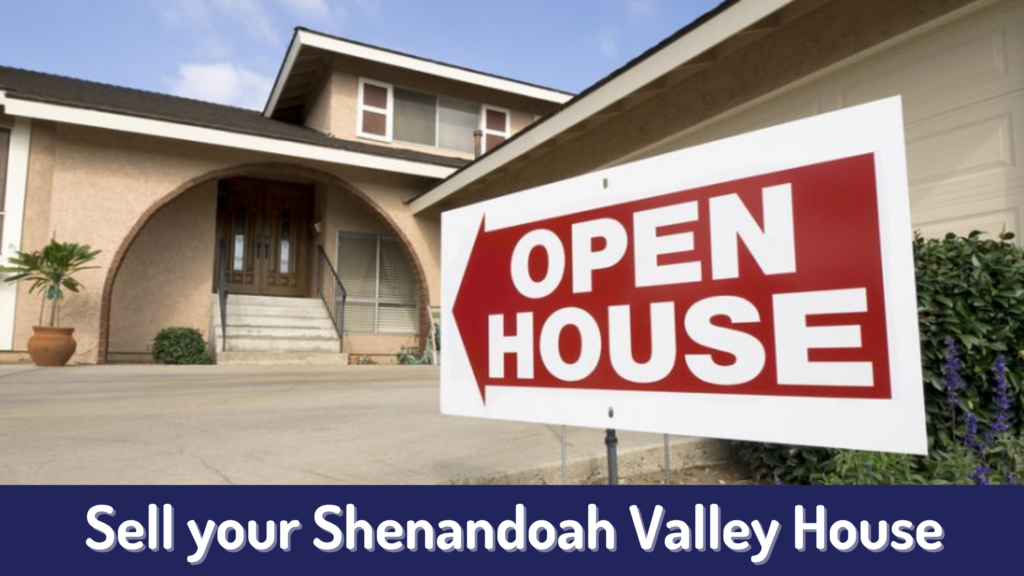
When selling a home in Shenandoah Valley, the strategy you choose has a direct impact on how fast you sell, how much stress you experience, and whether the process actually fits your situation. While traditional real estate often leans on open houses as a marketing tool, sellers who are looking for speed, certainty, and convenience usually need a very different approach.
At Five15 Properties, we work with homeowners who want to skip the long, uncertain process and move straight toward a simple, direct sale. That’s why it’s important to understand what an open house actually does—and more importantly, what it doesn’t do—if your goal is a fast and reliable exit.
What an Open House Really Means in Today’s Market
An open house is designed to bring as many people as possible into a property within a short window of time. On the surface, that sounds productive. More people walking through a home should increase the chances of receiving an offer, right?
In reality, most serious buyers in today’s market don’t purchase homes through open houses. Many investors, relocation buyers, and qualified purchasers prefer private showings or direct negotiations where they can evaluate properties more efficiently, privately, and with a clearer focus on numbers, condition, and timing rather than public viewing events.
From an investor standpoint, open houses are more about visibility than results. They create traffic, but not necessarily traction or momentum toward a real, executable offer. A busy open house can look impressive, but it doesn’t always translate into qualified interest or a faster closing.
At Five15 Properties, we often see sellers assume that more foot traffic automatically leads to stronger offers or quicker decisions. In practice, it usually results in more visitors walking through the property without clear intent, financing readiness, or a defined path to purchase.
The Potential Upside of an Open House
There are still a few situations where an open house can create some value, especially in a traditional retail listing environment where the goal is to generate broad exposure and attract as many potential buyers as possible.
One of the main advantages is exposure. Your property becomes visible to anyone in the area who is curious, actively searching, or simply browsing the market. In some cases, it can even reach individuals who were not actively planning to schedule a showing but happen to come across the event and decide to stop by. Occasionally, this can introduce your home to someone who might not have found it online or through standard listing platforms, especially in highly competitive or high-traffic neighborhoods.
There is also a psychological comfort factor for some visitors. Walking through a home at their own pace, without the structure or pressure of a scheduled private showing, can help them visualize the space more freely. It can feel more relaxed compared to a one-on-one agent showing, where buyers may feel rushed or observed. However, even with these potential advantages, they are generally geared toward traditional buyers who are still in the browsing or comparison stage of the home-buying process. They are less relevant for serious cash buyers or investors who typically make decisions based on numbers, condition, and direct evaluation rather than public events or open viewing schedules.
The Real Downsides Sellers Often Overlook
While open houses may seem harmless, they often introduce challenges that don’t align with a seller’s real goals—especially if the goal is speed or certainty.
One of the biggest issues is unpredictability. You are opening your property to a wide range of visitors with no guarantee of intent or ability to purchase. That means a large portion of the traffic may not be financially qualified, ready to buy, or even serious about making an offer.
Another overlooked factor is time. Preparing for an open house usually requires cleaning, staging, and temporarily leaving your home for several hours. For many homeowners, especially those dealing with relocation, financial pressure, or inherited property, this becomes an unnecessary disruption.
There’s also the privacy factor. Allowing multiple strangers to walk through your home in a short period of time can feel intrusive. Even with precautions, it can create discomfort knowing that personal spaces are being observed and evaluated by people you don’t know.
Security is another concern. Anytime a property is open to the public, there is a level of risk involved. While most visitors are harmless, sellers still need to consider the exposure of valuables, personal belongings, and sensitive information inside the home.
From the perspective of Five15 Properties, these risks and inefficiencies often outweigh the potential benefits—especially when faster alternatives exist.
Why Investors Typically Don’t Rely on Open Houses
In the investor space, the process is much more direct and streamlined compared to traditional real estate methods. Instead of organizing large groups of unqualified visitors, investor buyers focus on private evaluation, actual property condition, and offer calculations based on real market data and repair considerations. This creates a more focused and efficient process where decisions are based on facts, not foot traffic or presentation events.
There’s no need for staging, weekend open houses, or repeated public walkthroughs that interrupt your schedule and require constant preparation. The focus shifts away from showcasing the home and instead centers on solving the seller’s specific situation. That could mean selling quickly, dealing with an inherited property, relocating for work, handling a vacant home, avoiding costly repairs, or simply reducing financial stress tied to ownership.
At some point in this process, sellers often begin researching questions like “Who are the cash house buyers” as they start exploring faster, off-market ways to sell their property without the delays, uncertainty, and conditions of traditional listings. It becomes less about marketing a home to the public and more about understanding who can actually purchase it directly and close on a timeline that fits the seller’s needs.
In this space, value isn’t determined by foot traffic, open house attendance, or how many people walk through the door on a weekend. Instead, it’s determined through direct assessment, real numbers, and a straightforward offer process that prioritizes speed, clarity, and certainty.
A More Efficient Alternative for Shenandoah Valley Sellers
That can mean avoiding repairs, skipping months of uncertainty, or simply choosing not to deal with the traditional listing process that comes with delays and multiple conditions.
Instead of open houses, repeated showings, and constant scheduling around buyer availability, many homeowners today choose a more direct-sale approach. This often includes receiving a cash offer, selling the property as-is without repairs or upgrades, and choosing a closing timeline that aligns with their personal needs rather than a buyer’s financing process. Rather than relying on traditional exposure methods, the focus shifts toward efficiency and certainty—removing unnecessary steps that can slow down or complicate the sale. For many sellers, the priority becomes simplifying the entire experience so they can move forward without added stress.
Common reasons homeowners prefer this approach include avoiding the burden of ongoing home maintenance, eliminating the cost and time required for renovations or staging, reducing the risk of deals falling through due to financing issues, and gaining more control over the timing of their sale.
Instead of uncertainty and extended timelines, the goal is a straightforward process built around clarity, speed, and convenience.
Final Thoughts
Open houses still exist in traditional real estate, but they are not always the most effective tool for homeowners who need certainty or speed. They can create activity, but activity does not always translate into real results or a guaranteed path to closing.
If your priority in Shenandoah Valley is to sell quickly and avoid complications, Five15 Properties often works with homeowners who prefer alternatives that are more direct and predictable. Many sellers today are shifting toward simpler selling methods that reduce uncertainty, limit delays, and remove the need for repeated showings or ongoing preparations.
At the end of the day, the right strategy depends on your goals—but for sellers who value simplicity, speed, and a more straightforward process, working with a direct buyer may be the more practical option.
What Do You Have To Lose? Get Started Now…
We buy houses in ANY CONDITION in VA. There are no commissions or fees and no obligation whatsoever. Start below by giving us a bit of information about your property or call or text at (540) 930 9177.

Buyer Reach | Market Exposure| Simplified Process | Quick Close